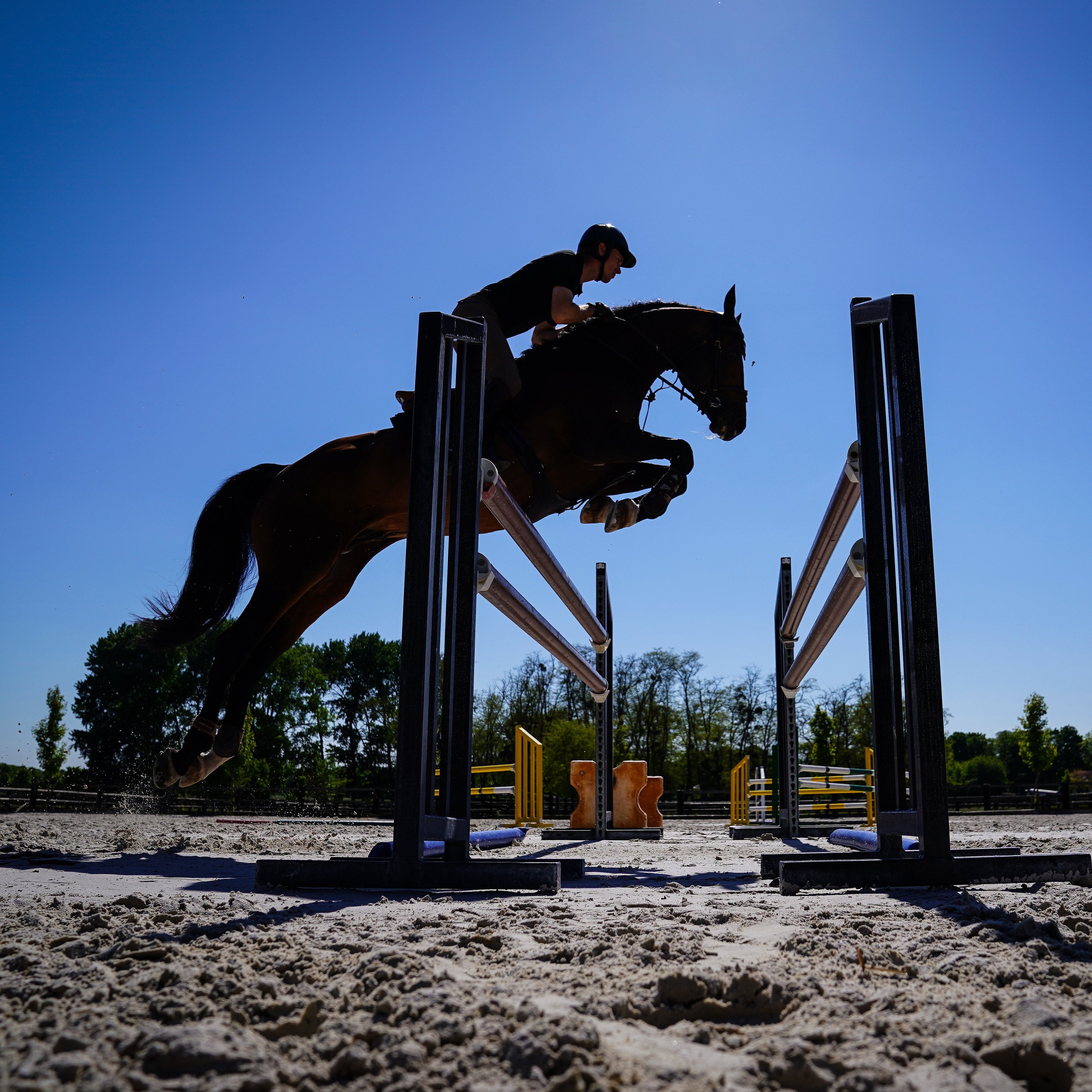

Navigating the seasonal changes for Horses and Ponies
As the days shorten and the weather cools, your horse’s needs change. Whether your horse spends most of their time in the field or is stabled during the colder months, the transition from summer to...

No Grass? How to Supplement Your Horse’s Diet Safely
Hot, dry weather can leave fields bare and grass low in nutrients. Read our expert tips on feeding, supplementation, and care to keep horses healthy this summer.
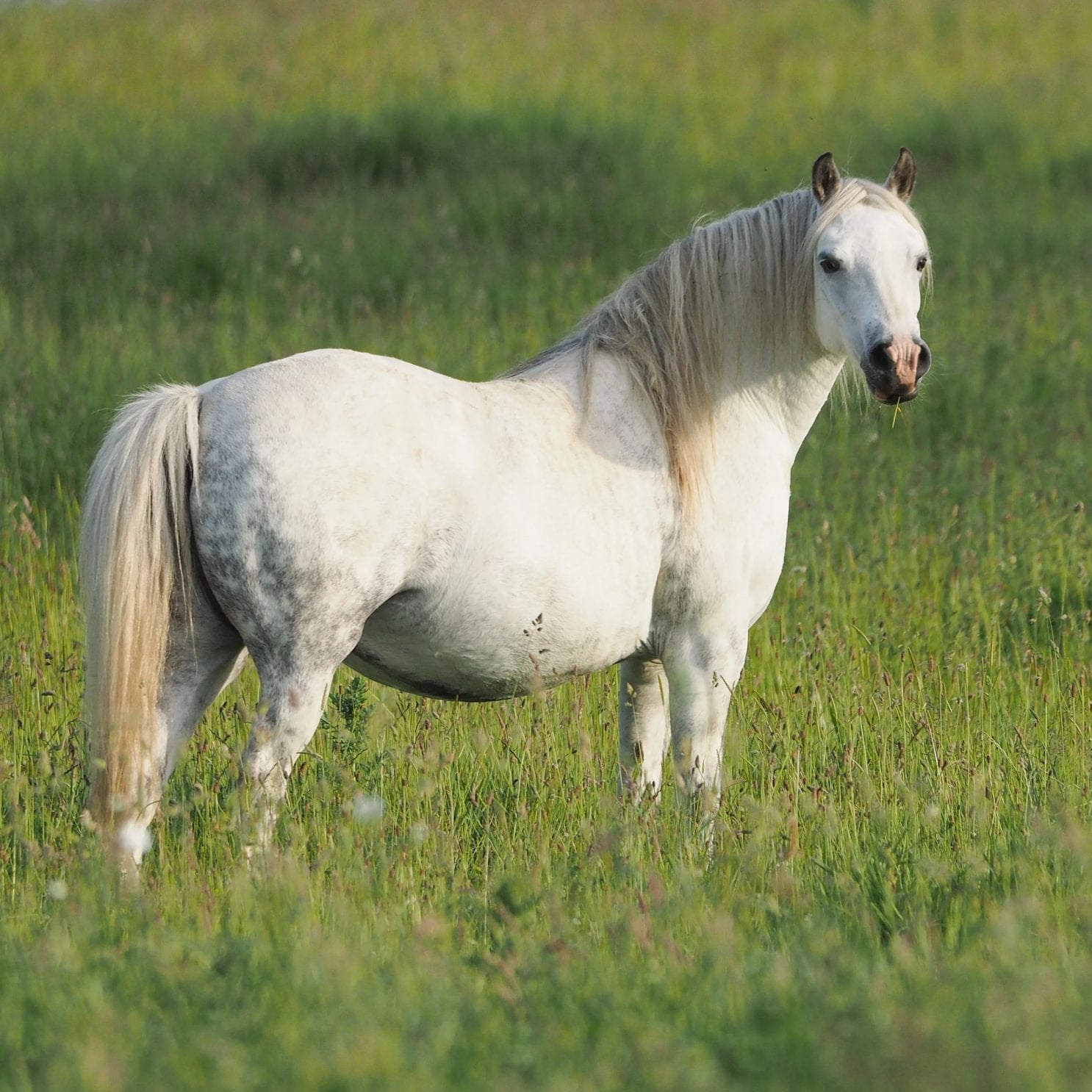
Managing a healthy weight in horses and ponies is essential for long-term wellbeing, yet obesity remains a growing concern, learn how to support weight management in horses and ponies.
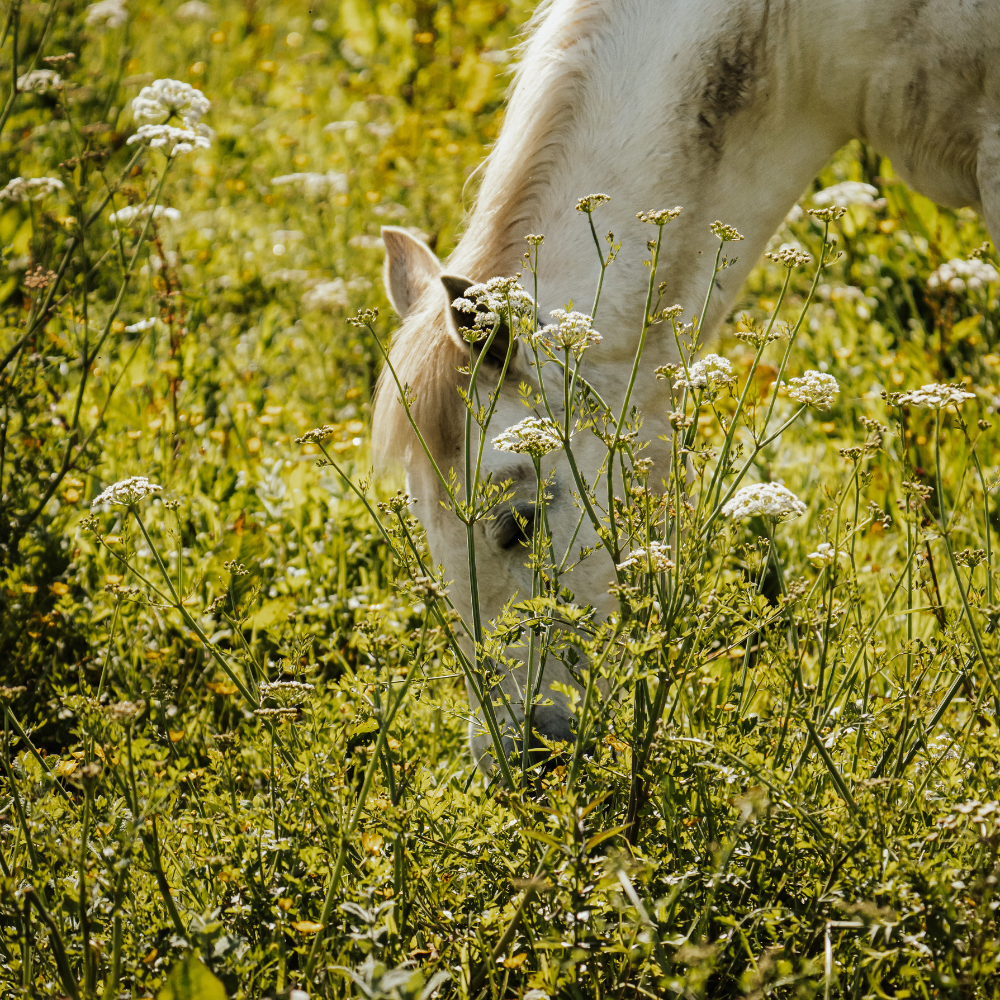
From boswellia to garlic, marigold to turmeric – these herbal staples have stood the test of time. Read more about their traditional uses and discover some of the most popular herbs you might find ...
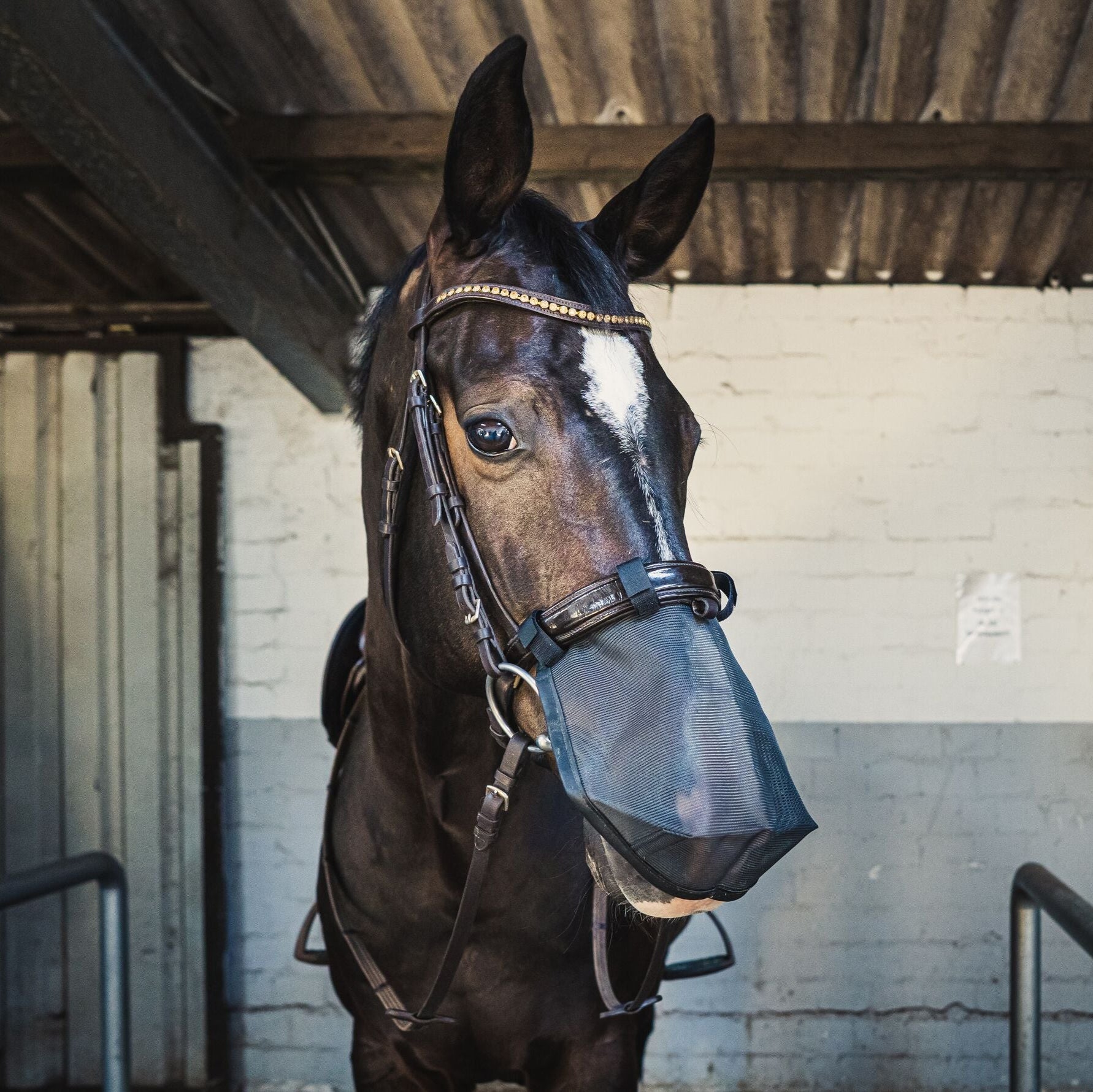
Understanding Equine Headshaking
Trigeminal-mediated headshaking is a painful nerve-related condition in horses, causing involuntary head movements. It’s often seasonal and challenging to manage, requiring tailored veterinary care.
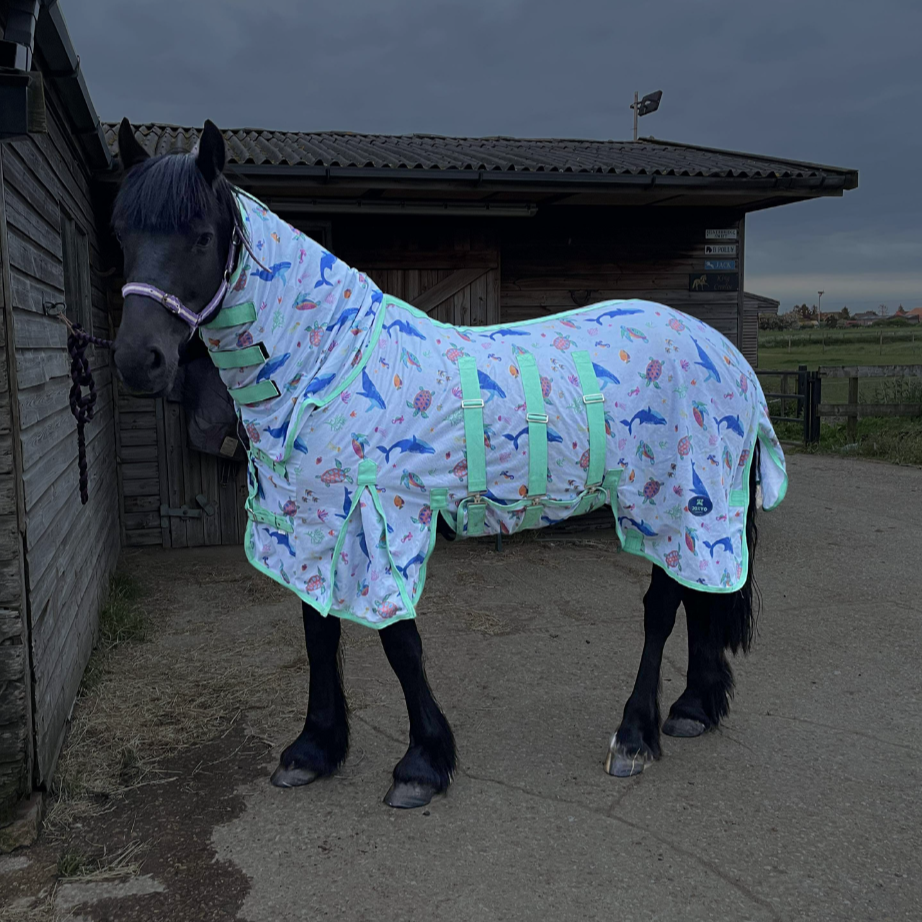
Understanding 'Sweet Itch' in Horses
Sweet Itch, or Culicoides hypersensitivity, is a common allergic skin condition in horses caused by midge bites. This guide covers causes, signs, treatments, and how to manage it effectively to kee...
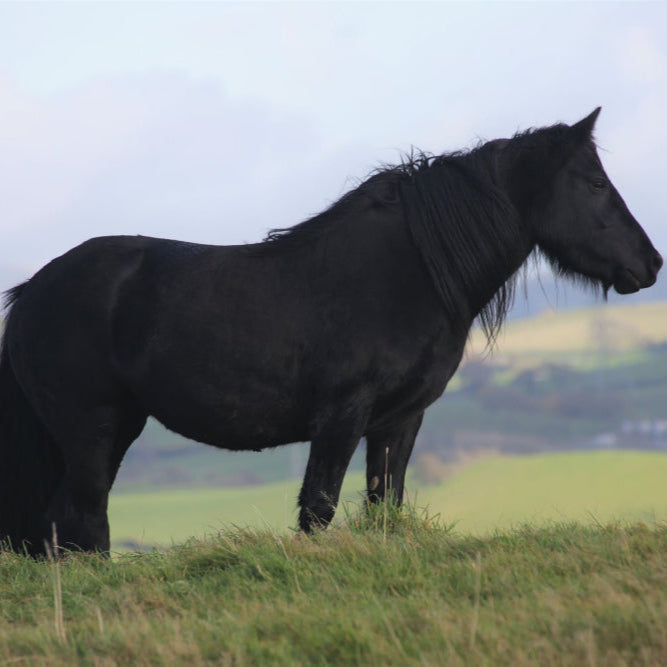
Understanding EMS - Equine Metabolic Syndrome
Equine Metabolic Syndrome (EMS) is a complex condition affecting many horses and ponies, especially native and easy-keeping breeds. In this blog, our veterinary and nutrition experts explain what t...
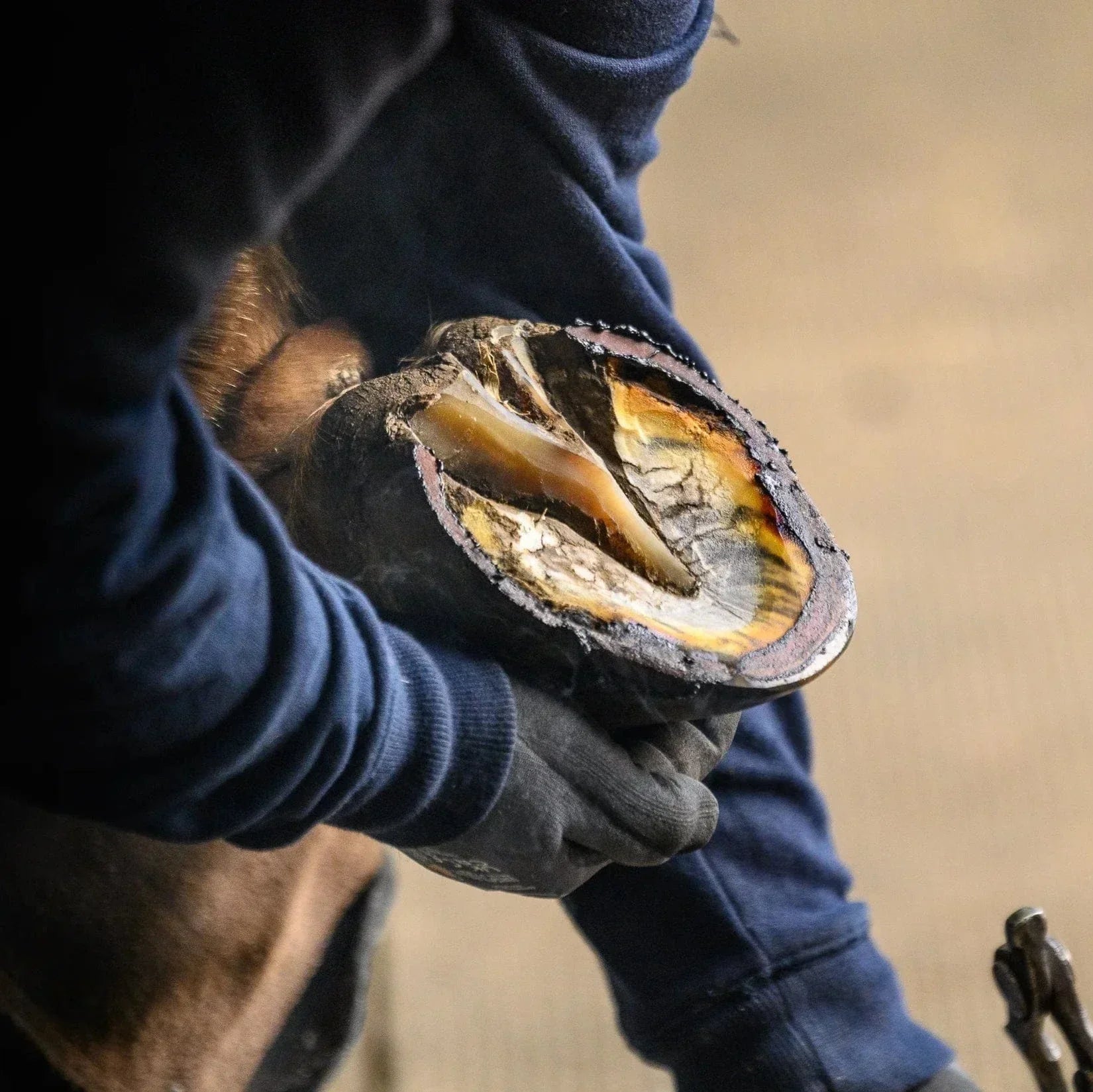
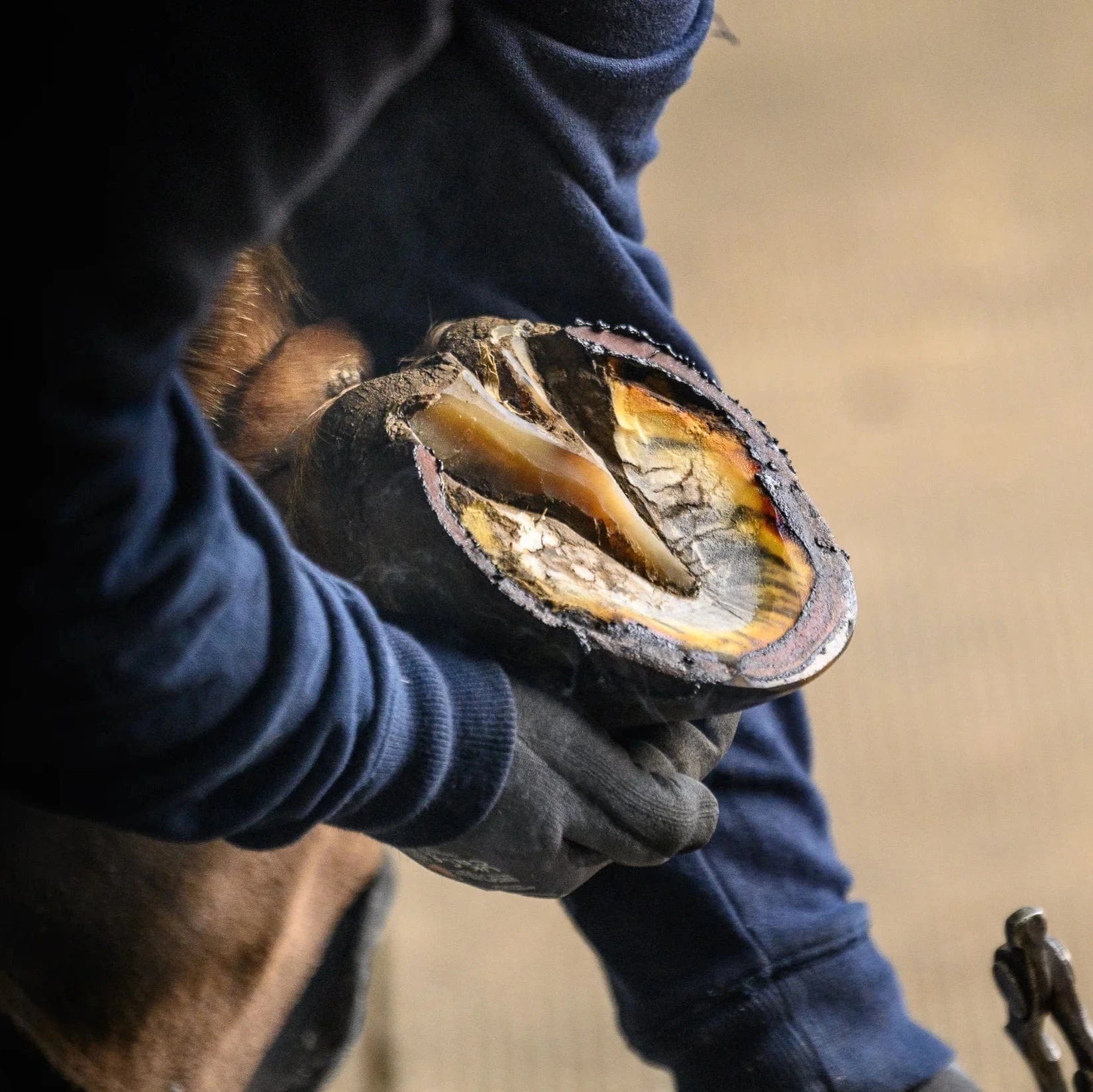
Hoof health is crucial for movement and performance. Nutrition, environment, conformation and genetics all impact growth and strength. Biotin, methionine and zinc support hoof quality. Regular hoof...
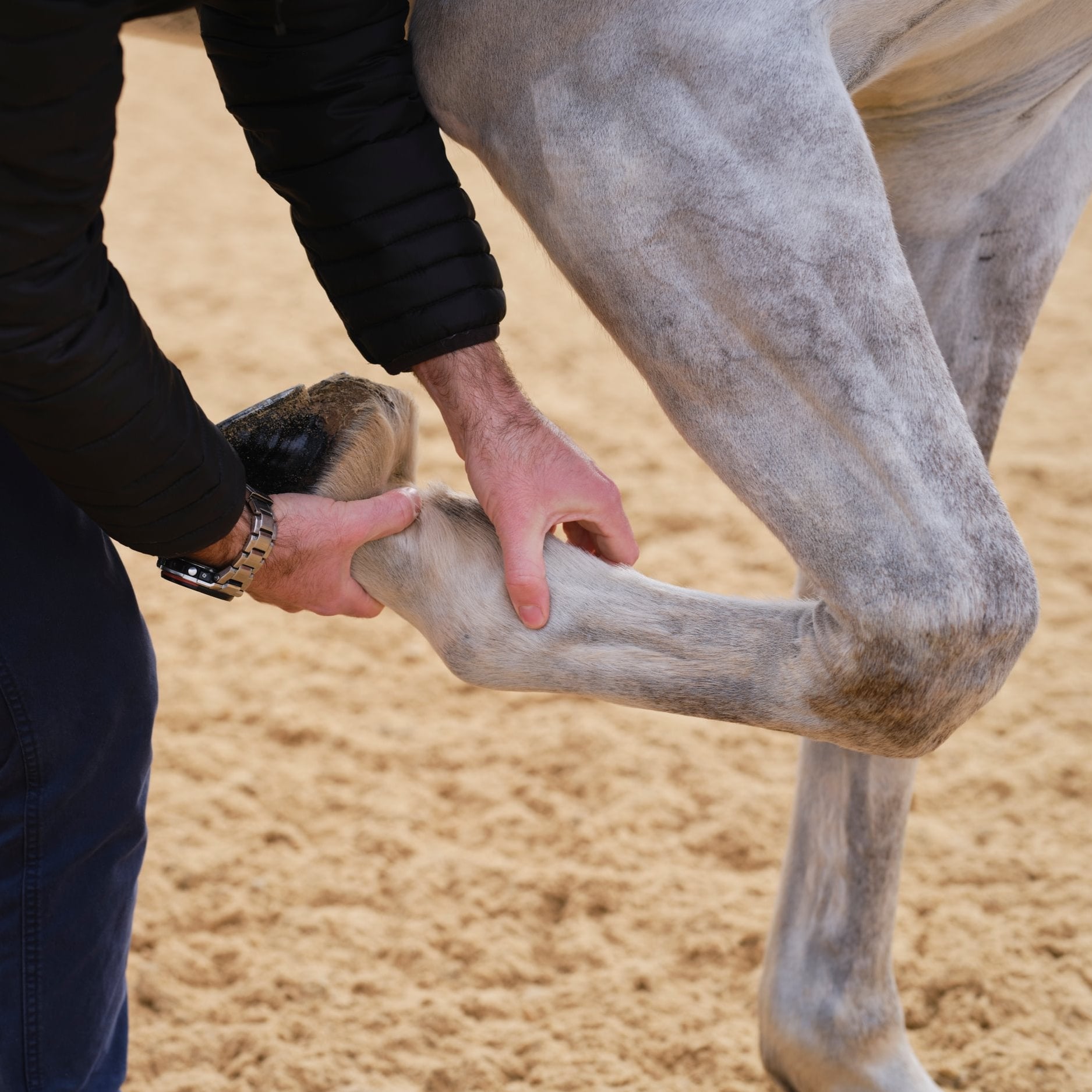
Inflammation is the body’s defence to injury or infection. Chronic inflammation can lead to diseases like diabetes, cancer and laminitis in horses. Managing it includes diet, exercise, and antioxid...
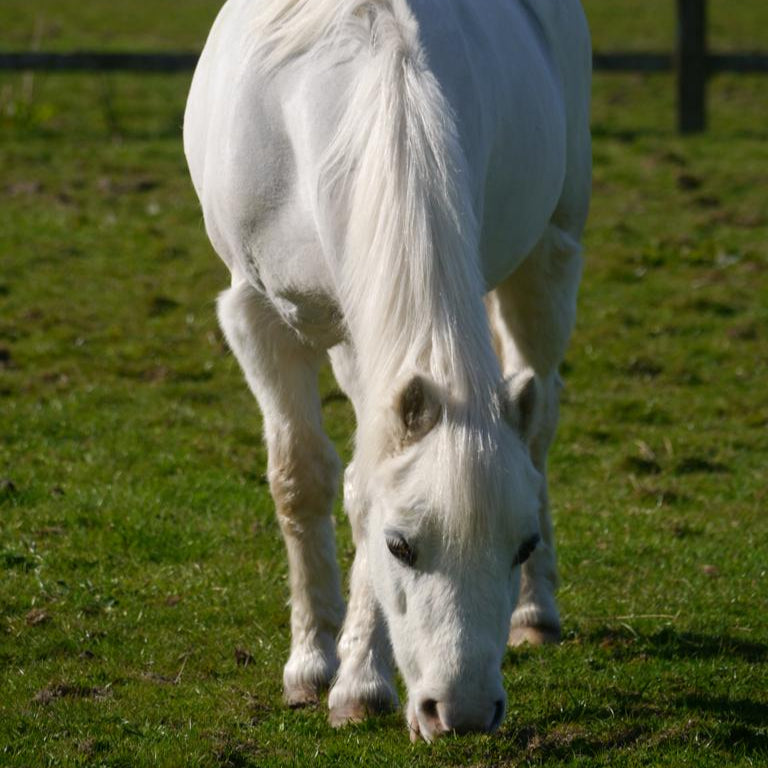
Laminitis in horses can be caused by metabolic, inflammatory or mechanical issues. Key management includes controlling weight, diet, exercise and monitoring early signs.

Electrolytes are vital for hydration and performance in horses. Replenishing sweat losses with balanced electrolytes and water prevents dehydration, fatigue, and health issues, ensuring optimal rec...
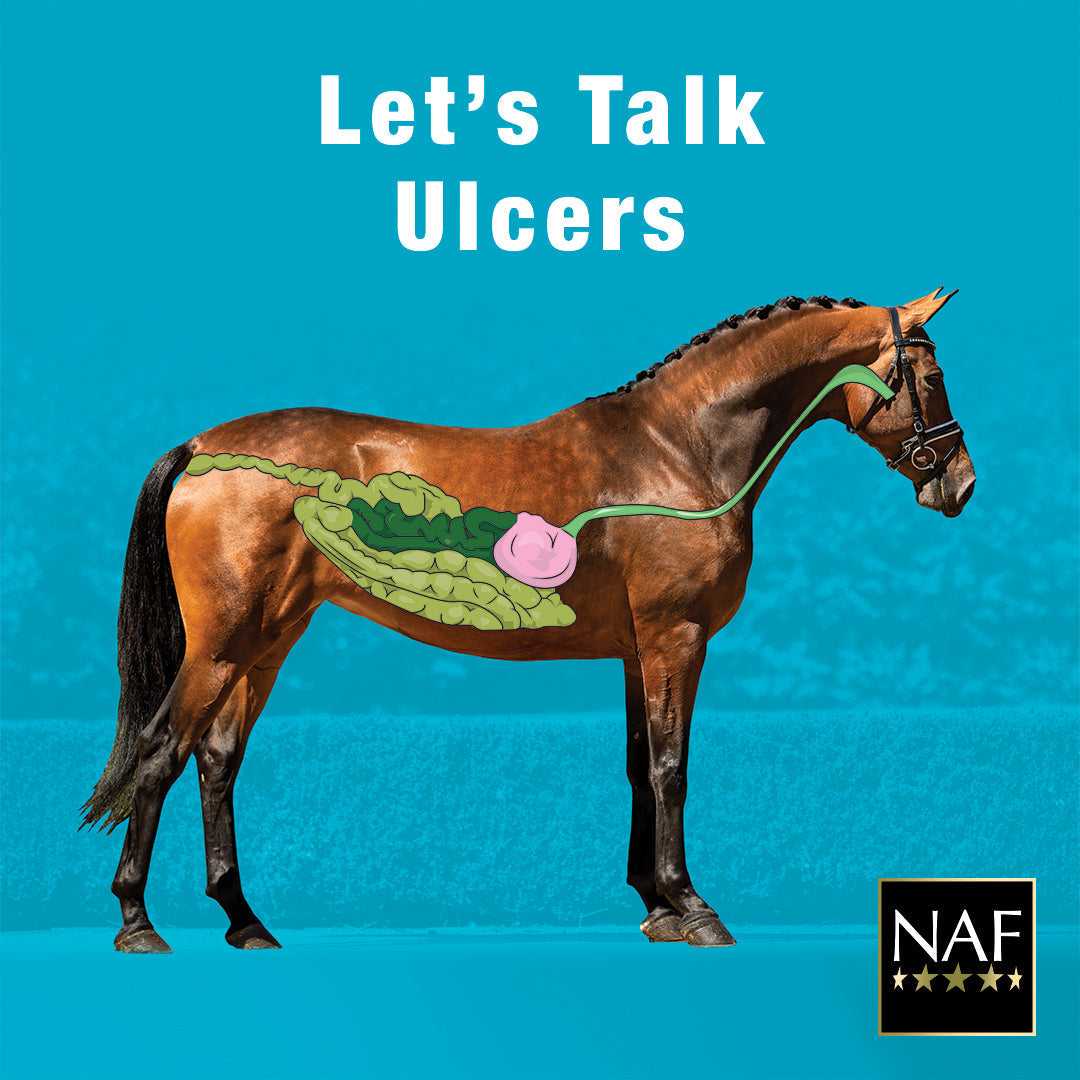
Gastric ulcers in horses can impact both health and performance. A diet high in forage, low in starch, and supplemented appropriately can help prevent and manage ulcers.