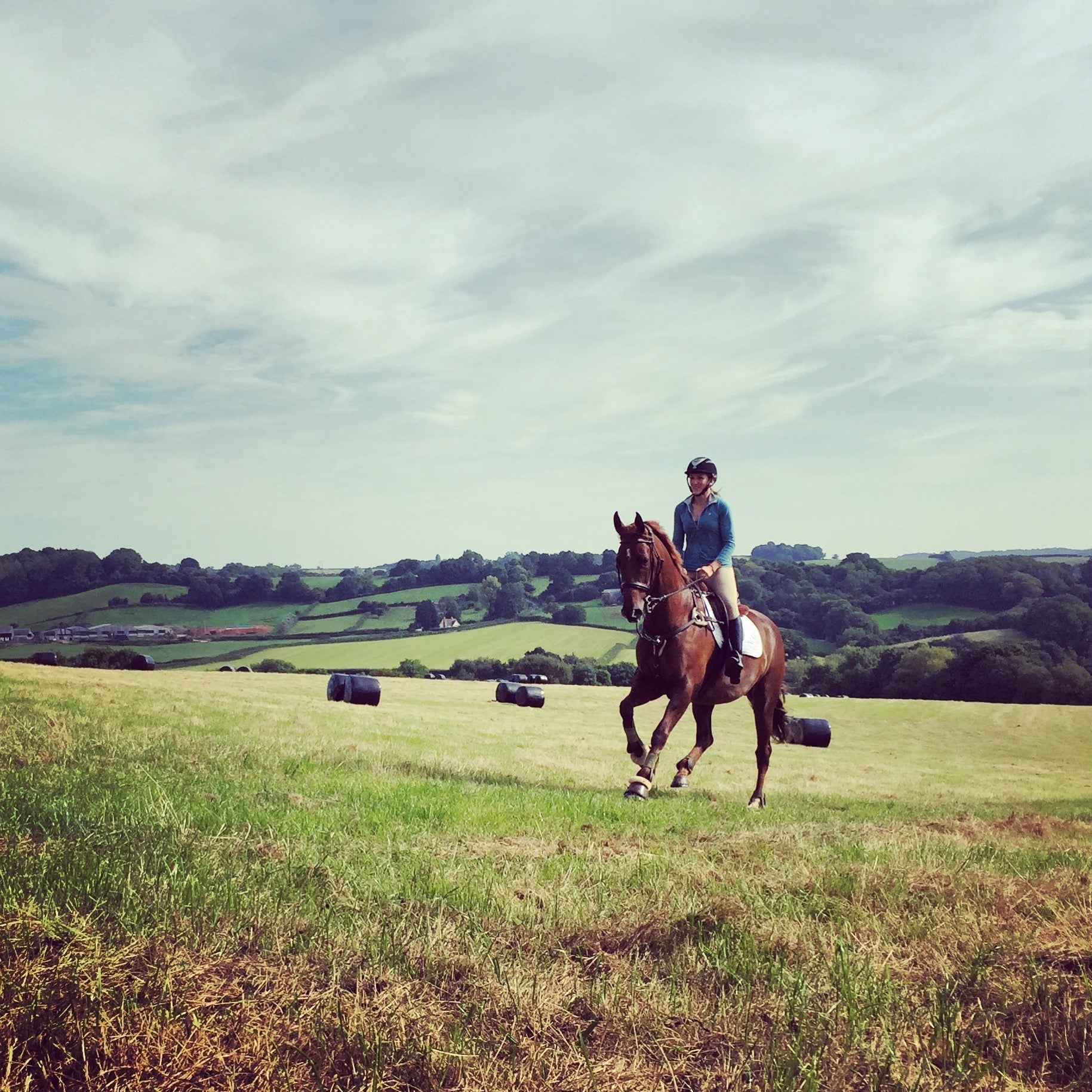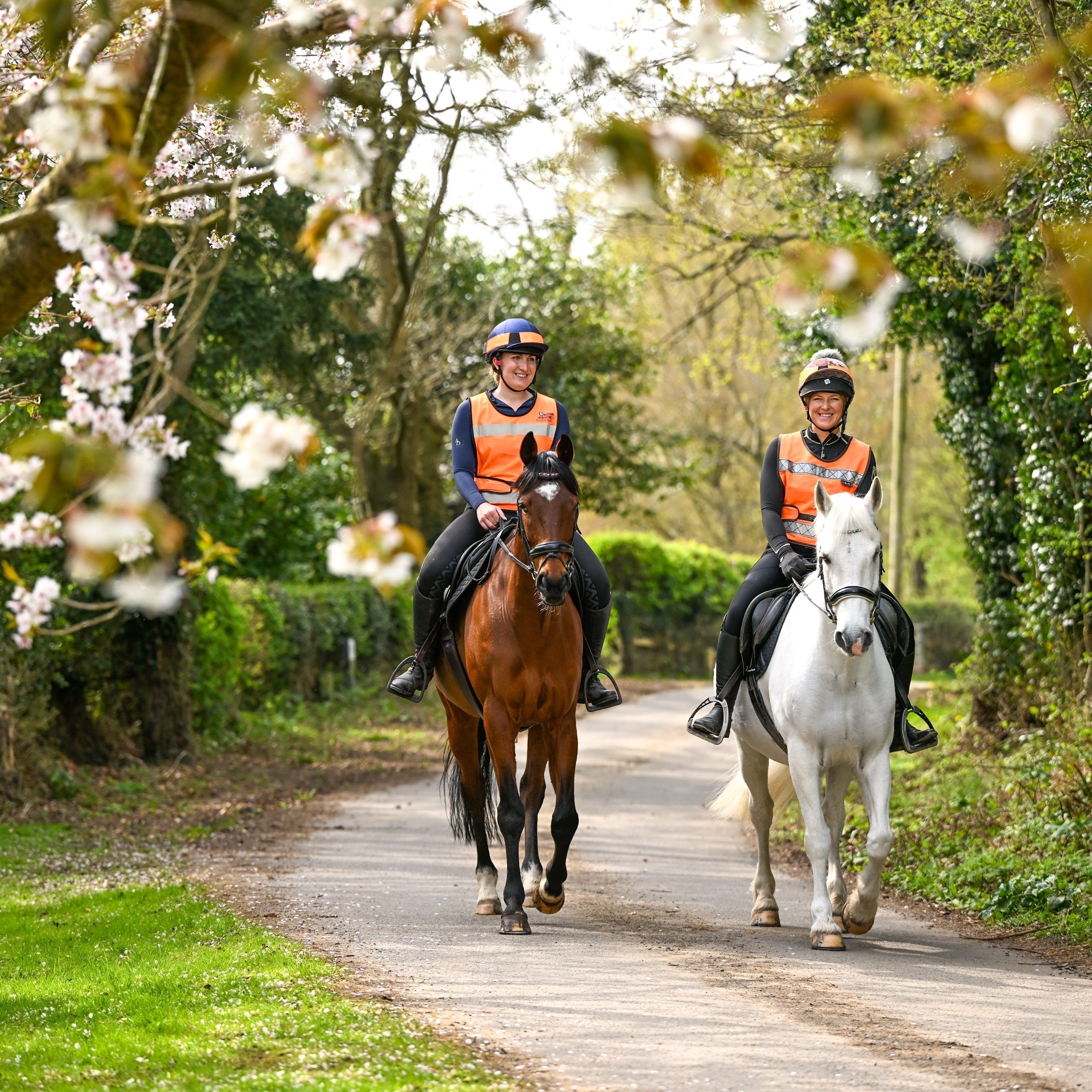
Warm summer days bring more opportunities to ride, compete, and enjoy time with your horse. However, rising temperatures can also increase the risk of dehydration, electrolyte loss, fly irritation, and heat stress. Understanding how to manage horses in hot weather is essential for maintaining their comfort, wellbeing, and performance throughout the summer months.
Horses are remarkably good at regulating their body temperature, primarily through sweating. However, this system can be challenged in hot or humid conditions, especially when combined with work and travel.
Every horse responds differently to hot weather. Factors such as age, fitness level, workload, coat type, and underlying health conditions can all influence how well an individual horse copes with rising temperatures.
Should Horses Stay In or Out During Hot Weather?
One of the most common questions during summer is whether horses are better kept in during the day or out in the field.
There is no one-size-fits-all answer. The best approach depends on your individual horse, their environment, and the conditions on any given day.
Turnout can be beneficial, allowing horses to move freely and graze naturally. However, during very hot weather, fields may offer limited shade and little protection from flies. In these situations, bringing horses in during the hottest part of the day and turning them out overnight may help improve comfort and reduce heat exposure.
Good summer horse management also includes controlling fly populations wherever possible. Paddocks should be poo picked regularly, ideally daily, and maintaining high standards of yard hygiene can help reduce fly activity. This includes keeping feed areas clean and ensuring feeds and supplements are stored securely in sealed containers.
If your horse is turned out during hot weather, consider the following:
- Apply a fly repellent before turnout
- Avoid turnout near standing water where flies are often more prevalent
- Choose fields with a natural breeze where possible
- Ensure access to shade and fresh water at all times
- Consider stabling during peak fly activity, particularly at dawn and dusk
If your horse is stabled during the day, good airflow and ventilation remain essential for keeping horses cool in summer.
How to Reduce Flies During Summer Turnout
Flies can quickly become one of the biggest challenges of summer horse care. Constant irritation can cause stress, discomfort, and distraction, particularly for horses spending long periods outdoors.
Alongside good paddock management and stable hygiene, many owners choose a combination of fly rugs, fly masks, and fly repellents to help protect their horses from biting insects throughout the season.
Choosing the right fly protection for horses will depend on your horse’s individual needs, the weather conditions, and the level of fly activity in your area.
Fly Rug or No Fly Rug?
Fly protection becomes a priority in summer, but when temperatures rise, deciding whether to rug can feel conflicting.
A lightweight, breathable fly rug can offer several benefits during warmer weather. Light-coloured fabrics can help reflect sunlight, while mesh materials allow airflow and provide a barrier against flies and UV exposure.
However, not all fly rugs are suitable for every horse or situation. A poorly fitting or heavy rug can trap heat and reduce comfort. Regular checks are important, and if your horse appears uncomfortable or excessively warm, removing the rug may be the best option.
In some cases, going rug-free may actually be the cooler choice. During very warm or humid conditions, some horses are more comfortable without a rug, particularly if flies can be managed using alternative fly protection methods.
This is where fly repellents can play an important role. NAF OFF DEET Power Performance is designed for long-lasting fly protection during periods of heavy fly activity, while NAF OFF Extra Effect offers a naturally based alternative to help banish the buzz without the need for a fly rug.
Horse Hydration in Hot Weather: Why It Matters
When it comes to horse care in hot weather, hydration should always be a top priority.
Water plays a crucial role in almost every system within the body. A horse's body is made up of around 60% water, supporting everything from temperature regulation and digestion to circulation and muscle function.
As temperatures rise, water intake naturally increases, and horses may drink significantly more during hot weather, especially after exercise, travel, or prolonged turnout in the sun.
Always ensure fresh, clean water is readily available, whether your horse is in the stable, field, or travelling.
Maintaining adequate hydration is only part of the picture. During hot weather, horses also lose essential electrolytes through sweat, making replacement just as important as water intake.
How Sweating Causes Electrolyte Loss in Horses
Sweating is your horse's natural cooling mechanism, but it comes with a cost.
When horses sweat, they lose more than just water. Important electrolytes, including sodium, potassium, calcium, and magnesium, are also lost through sweat.
These electrolytes play a vital role in muscle function, nerve communication, and maintaining healthy fluid balance. Without replacing these losses, even horses with access to plenty of water may struggle to rehydrate effectively.
A Himalayan Salt Lick can help support everyday electrolyte maintenance. However, during periods of increased sweating, such as hot weather, exercise, training, competition, or travel, additional electrolyte support may be beneficial.
Electro Lytes Liquid can support horses during lighter work or warm summer days, while Electro Salts provide a more concentrated option when demands are higher, such as during intense exercise or extreme heat.
It is important to remember that electrolytes should always be provided alongside access to fresh water. Electrolyte supplementation without adequate water intake will not restore fluid balance effectively.
For horses competing, travelling, or working hard during the summer months, introducing electrolytes ahead of time may help support the body's reserves before demands increase.
Practical Hydration Tips for Horses
Supporting horse hydration during summer does not need to be complicated. A few simple management strategies can make a significant difference:
- Always provide access to fresh, clean water
- Offer a salt lick for daily maintenance
- Use electrolyte supplements when your horse has sweated
- Add water to feeds to help increase fluid intake
- Monitor drinking behaviour carefully during travel
- Check water troughs and buckets regularly throughout the day
Even subtle signs of sweating, such as a damp saddlecloth, indicate fluid and electrolyte losses that should be considered as part of your summer horse management plan.
Cooling Your Horse After Exercise
After exercise or prolonged exposure to heat, helping your horse cool down gradually is an important part of recovery.
Applying cool water continuously can help reduce body temperature while removing sweat and dirt from the coat. Particular attention should be paid to areas with large blood vessels, such as the neck and between the hind legs.
Using a cooling wash such as NAF Cooling Wash or Citronella Wash can help make post-exercise care simple, effective, and refreshing during warm weather.
Combined with access to shade, fresh water, and good airflow, effective cooling strategies can support comfort and recovery throughout the summer.
Signs of Heat Stress in Horses
Recognising the early signs of heat stress in horses is essential.
Horses can lose significant amounts of fluid through sweating before obvious symptoms develop, making early intervention particularly important.
Common signs that your horse may be struggling with the heat include:
- Heavy or rapid breathing
- Excessive sweating
- Lethargy or reduced energy levels
- Poor performance or coordination
- Changes in behaviour
- Reluctance to move or work
- Delayed recovery after exercise
If you notice any of these signs, stop work immediately, move your horse into a cooler environment, begin appropriate cooling measures, and ensure they have access to fresh drinking water.
If symptoms persist or worsen, seek veterinary advice promptly.
Summer Horse Care Essentials
Having the right products available can make managing horses in hot weather much easier.
Key summer horse care essentials include:
- Fly repellents for daily fly protection
- Lightweight fly rugs and fly masks
- Electrolyte supplements for horses that sweat
- Salt licks for everyday maintenance
- Cooling washes for post-exercise recovery
- Clean water buckets and field troughs
Choosing the right horse care products can help support hydration, comfort, and overall wellbeing throughout the warmer months.
Managing Horses in Hot Weather
Managing horses in hot weather is about thoughtful planning rather than relying on a single solution.
Focus on the fundamentals:
- Provide shade, airflow, and fresh water
- Choose fly protection that suits your horse's needs
- Understand when electrolyte support is required
- Monitor hydration levels closely
- Watch for early signs of heat stress
Hot weather does not have to limit your enjoyment this summer. By adapting your management routine and staying attentive to your horse's needs, you can help keep them comfortable, hydrated, and ready to perform throughout the season.