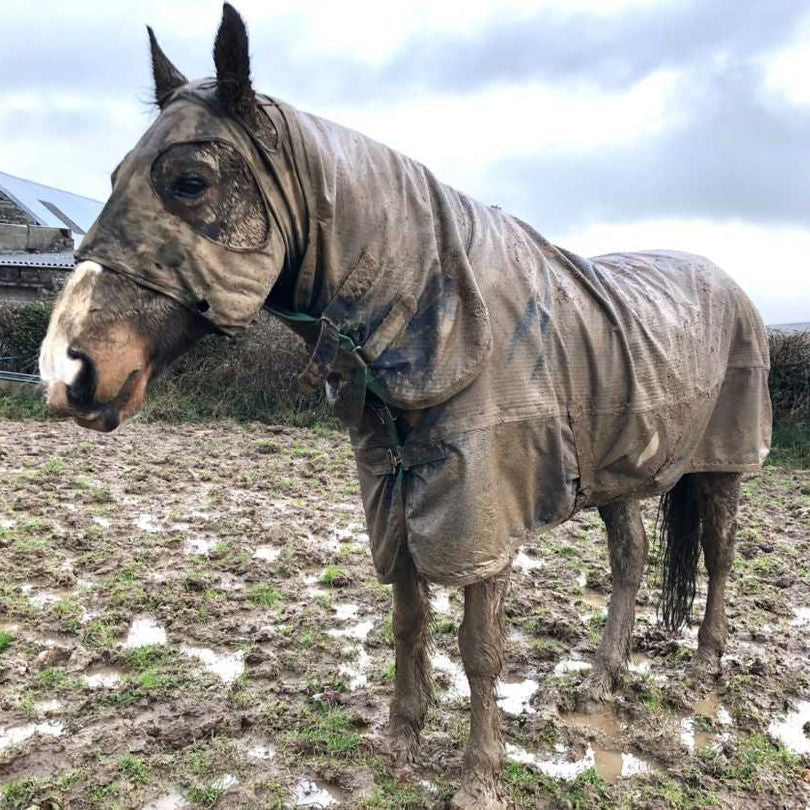
Mud Fever in Horses: Symptoms, Treatment and Prevention
Understand mud fever in horses, from early symptoms to effective treatment and practical prevention tips for wet muddy conditions.
Does your horse need a winter calmer?
Discover how winter management, reduced turnout and stable time can affect your horse's behaviour and how good management, enrichment and targeted nutritional support can help your horse stay calm ...

Winter Wellbeing for Horses and Ponies
Keeping horses happy, healthy, and mentally engaged during winter requires a mix of thoughtful exercise, enrichment, and attentive care.
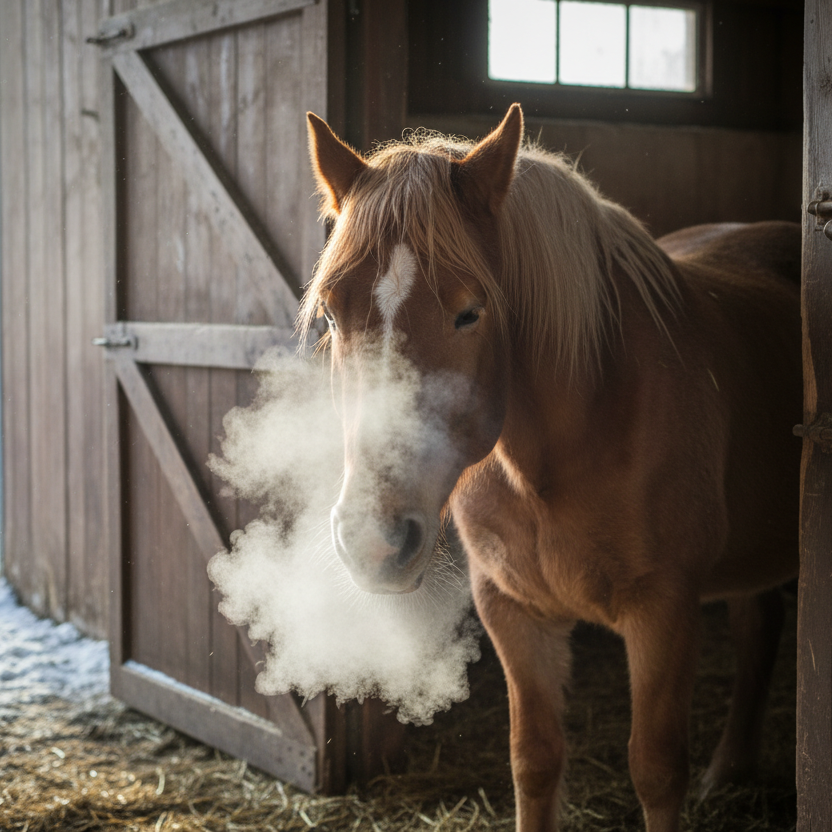
Winter and seasonal changes can challenge your horse’s respiratory health. Proper stable design, ventilation, low-dust bedding, careful forage management, and supportive nutrition help maintain hea...
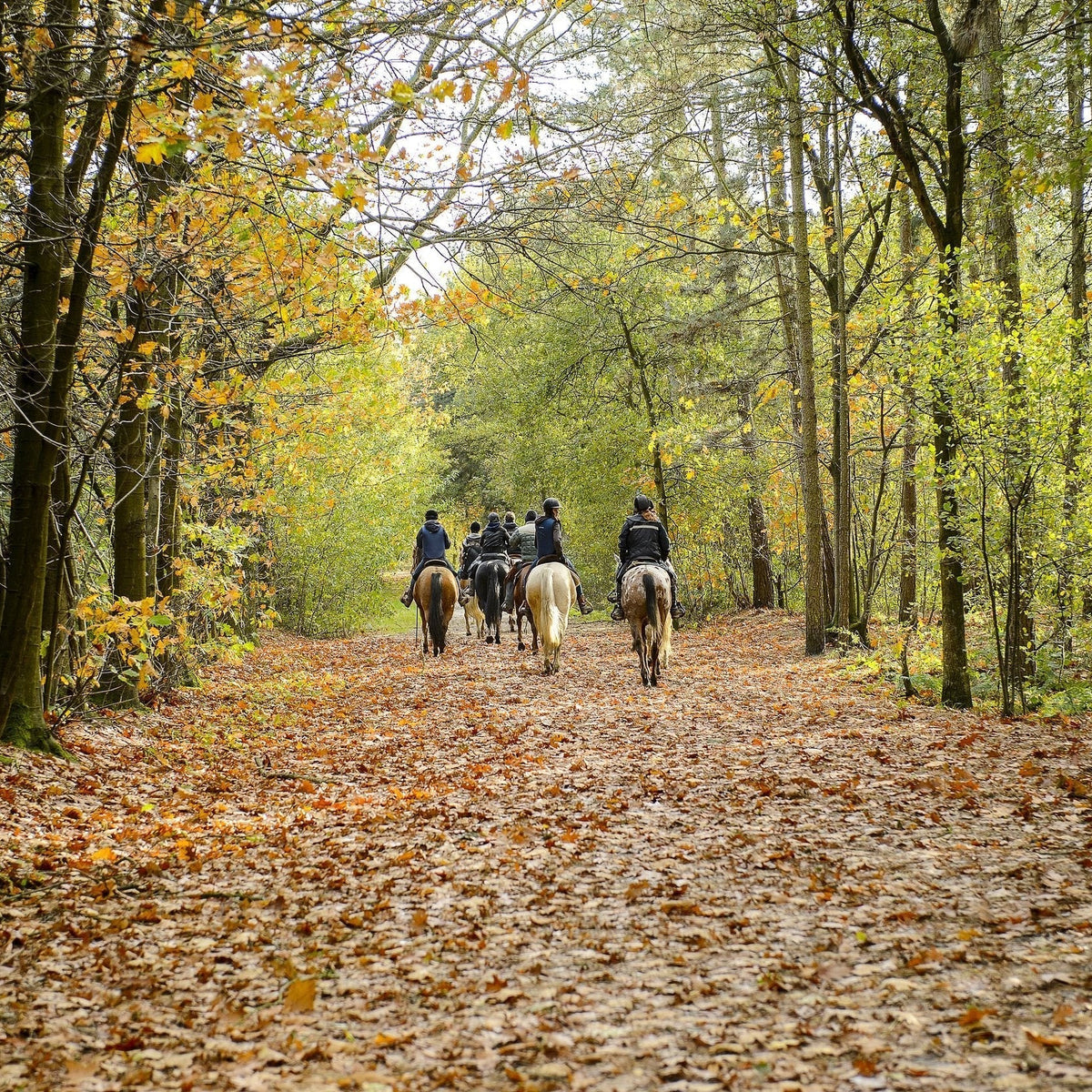
Navigating the Seasonal Changes for Horses and Ponies
As the days shorten and the weather cools, your horse’s needs change. Whether your horse spends most of their time in the field or is stabled during the colder months, the transition from summer to...
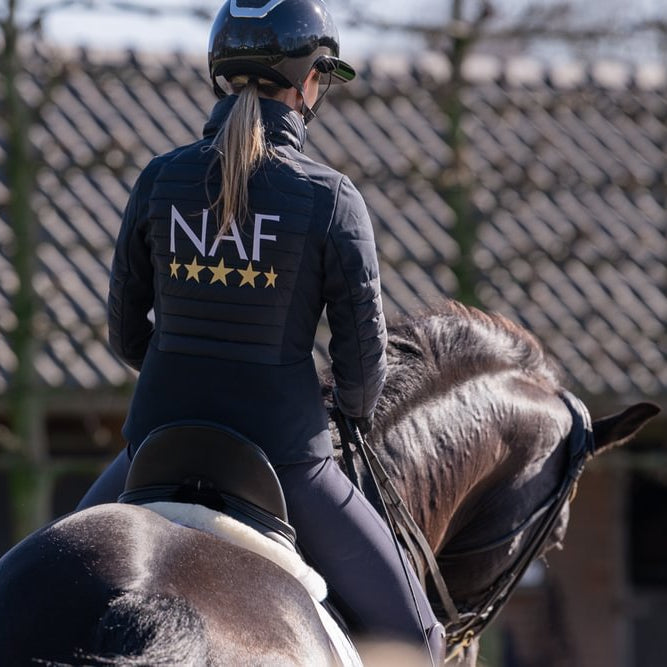
Warming Up Your Horse: Tips for Autumn and Winter Work
As temperatures drop, proper warm-up and nutrition are vital to protect your horse’s joints and muscles. Learn NAF’s top autumn–winter grooming, feeding, and exercise tips to keep horses healthy an...
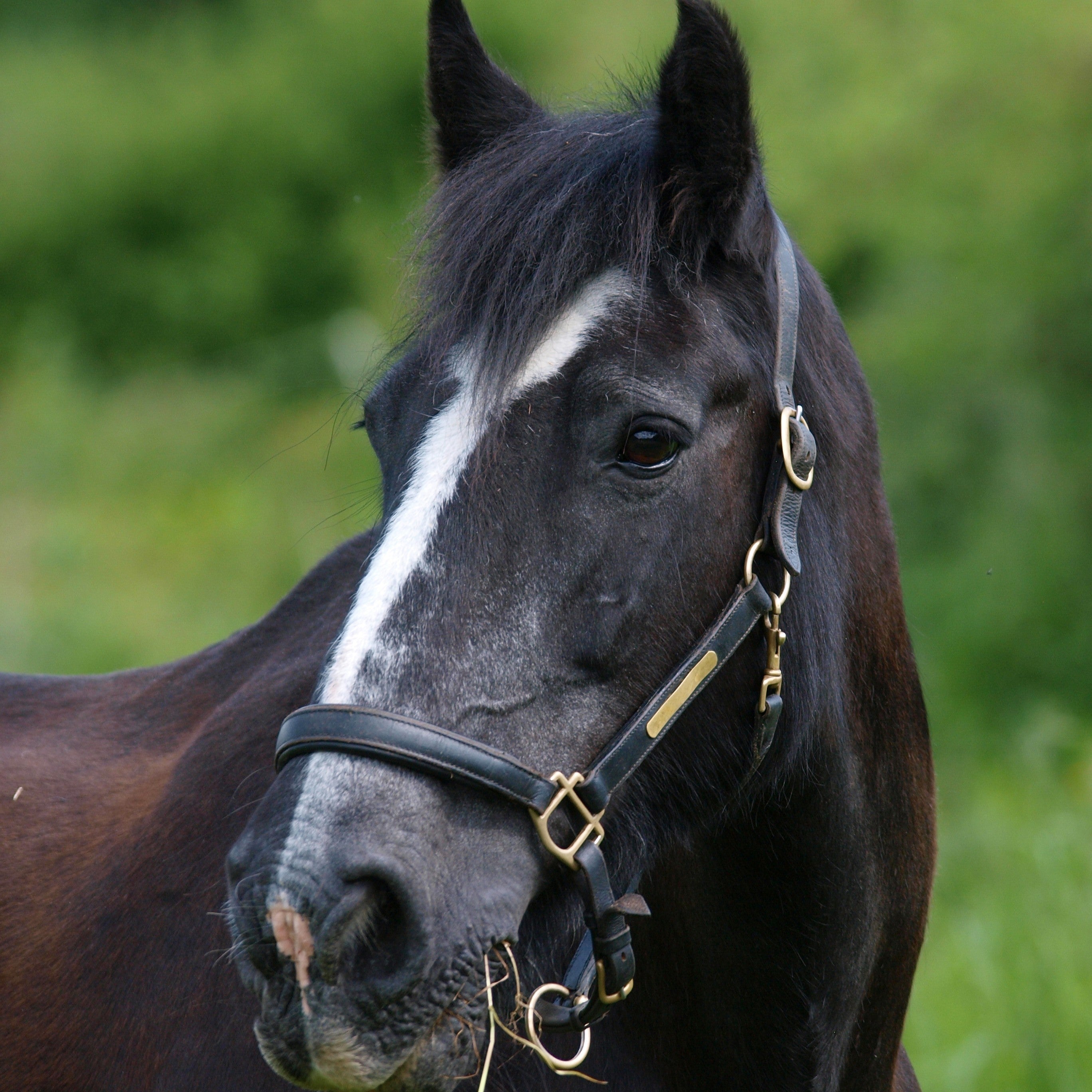
Cushing’s Syndrome in Horses: Signs, PPID, Management & Nutritional Support
Learn about Cushing’s syndrome in horses, also known as PPID. Discover the signs, diagnosis, veterinary treatment and nutritional support for older horses.
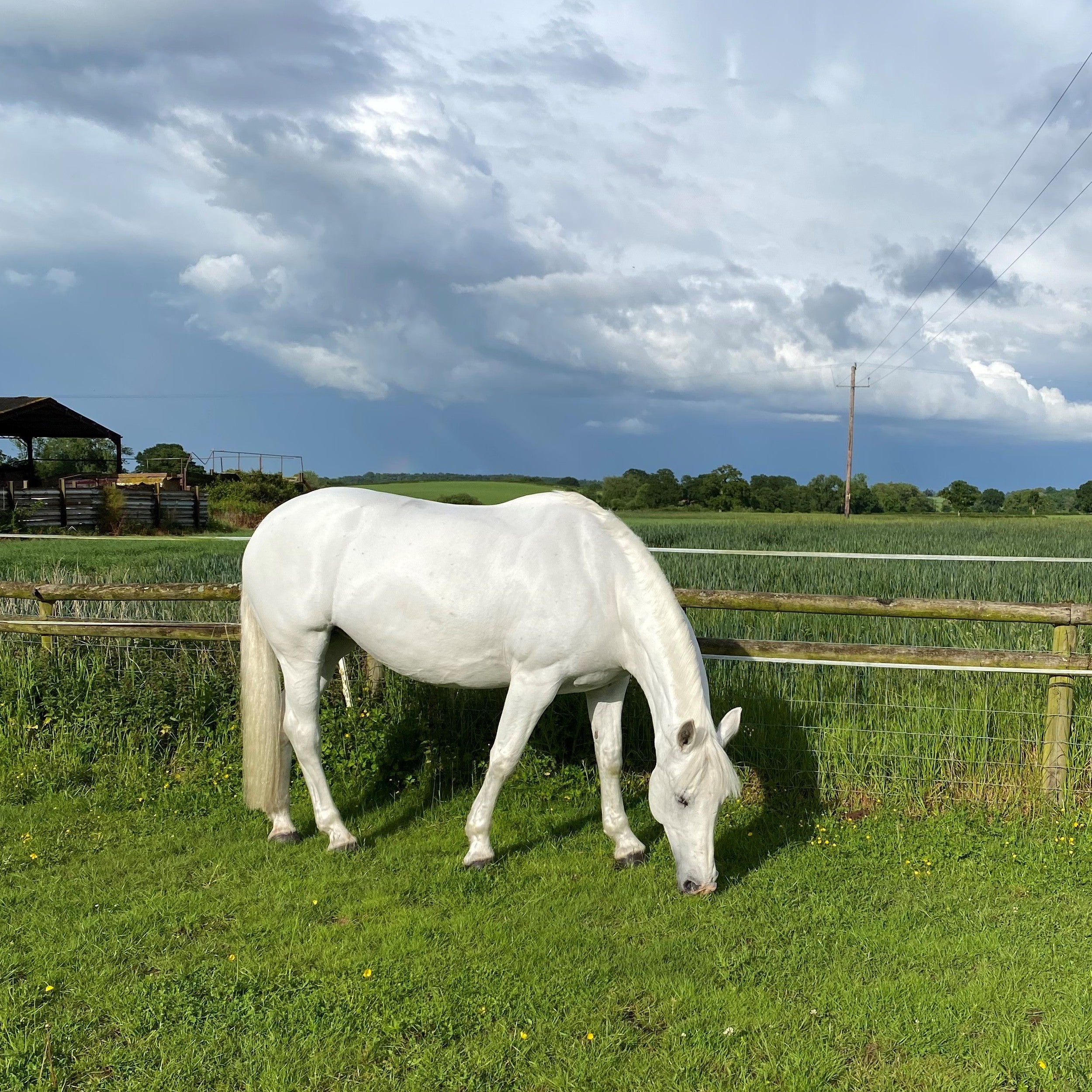
Autumn Laminitis: How to Manage Your Horse's Diet and Grazing
Autumn can bring an increased risk of laminitis, particularly for horses and ponies prone to insulin dysregulation or EMS. Discover how changing grass conditions, NSC levels, grazing and feeding ma...
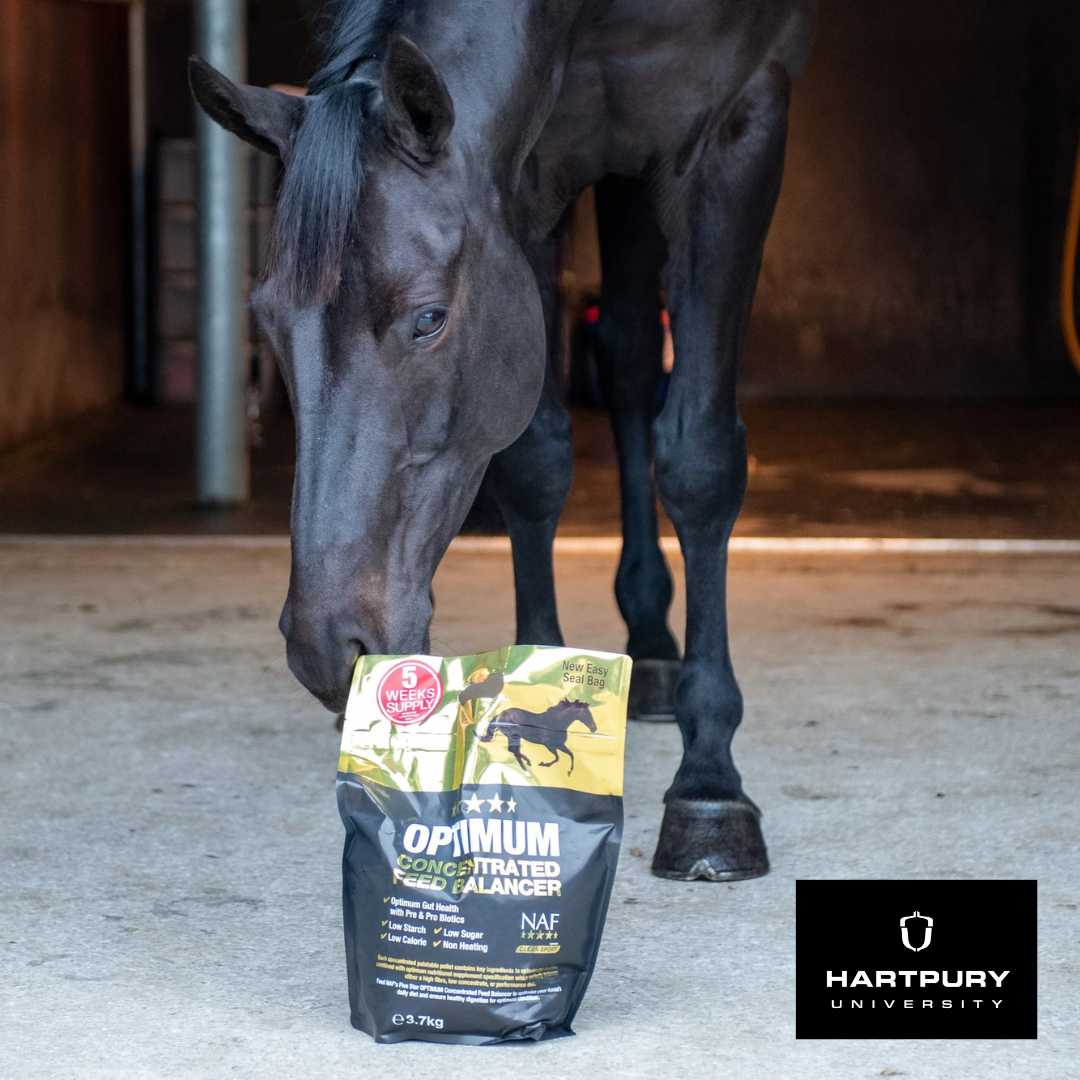
Preparing for Winter: The Role of a Horse Feed Balancer
Autumn and winter feeding made easy: how a horse feed balancer helps your horse stay healthy, strong, and well-nourished.

Equine Flu and Strangles in Horses: Symptoms, Prevention and Biosecurity Tips
Equine influenza and strangles cases are increasing across the UK, raising understandable concerns for horse owners, yards, and event organisers. Understanding the symptoms, transmission risks, and...

Equine Liver Disease: Symptoms, Causes & Best Liver Support
Our Vet & Nutritionist Guide to Equine Liver Health, Management & Supplement Support Equine liver disease (hepatitis) affects one of the most important organs in the horse’s body — the live...
Electrolytes are vital for hydration and performance in horses. Replenishing sweat losses with balanced electrolytes and water prevents dehydration, fatigue, and health issues, ensuring optimal rec...