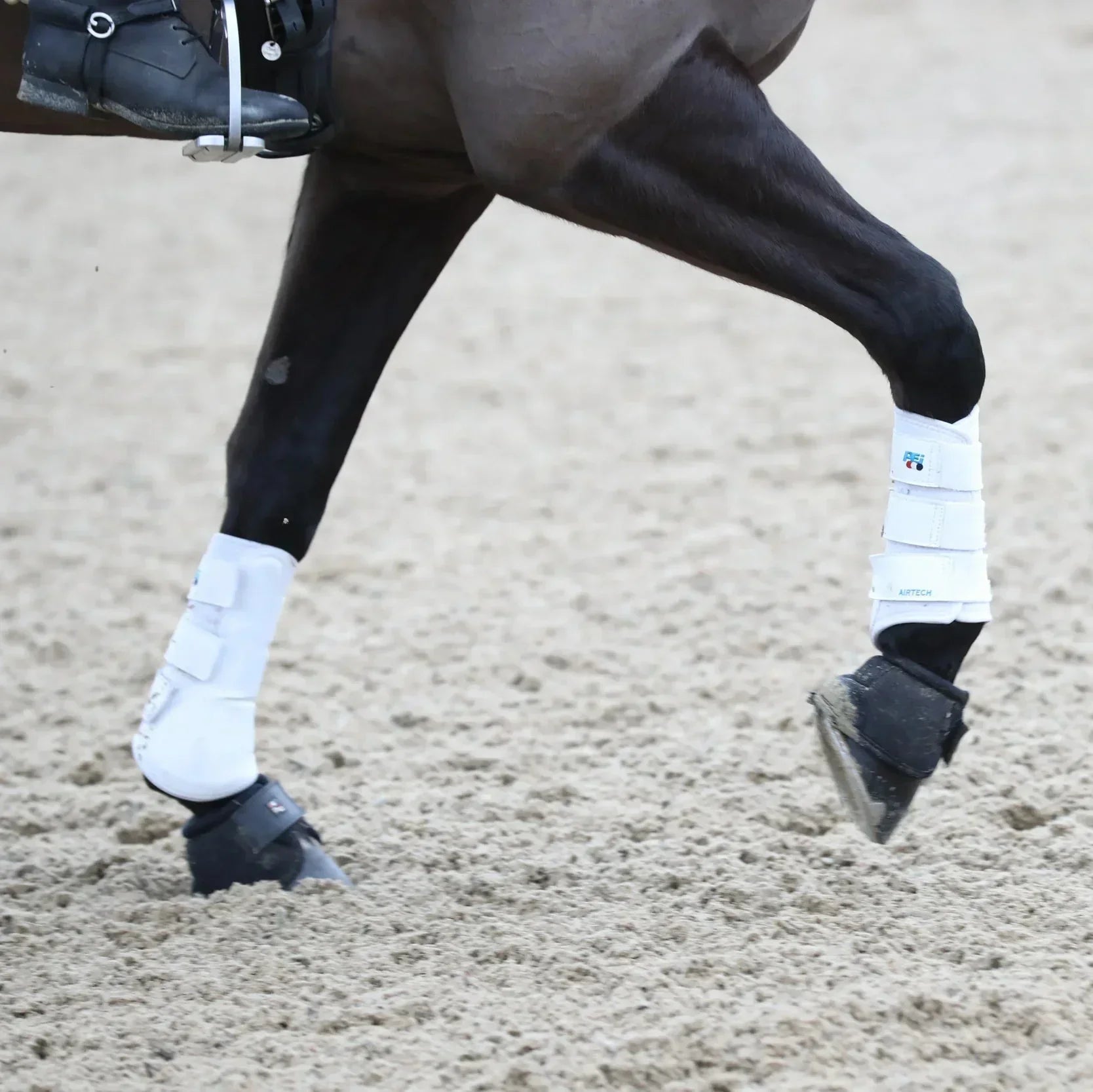
Mud Fever, understanding Pastern dermatitis
Mud Fever, officially known as Equine Pastern Dermatitis by your vet, is a bacterial infection of the skin around the lower leg and fetlock. Sometimes also known as ‘greasy heel’ it is caused principally by the bacterium, Dermatophillus congolensis.
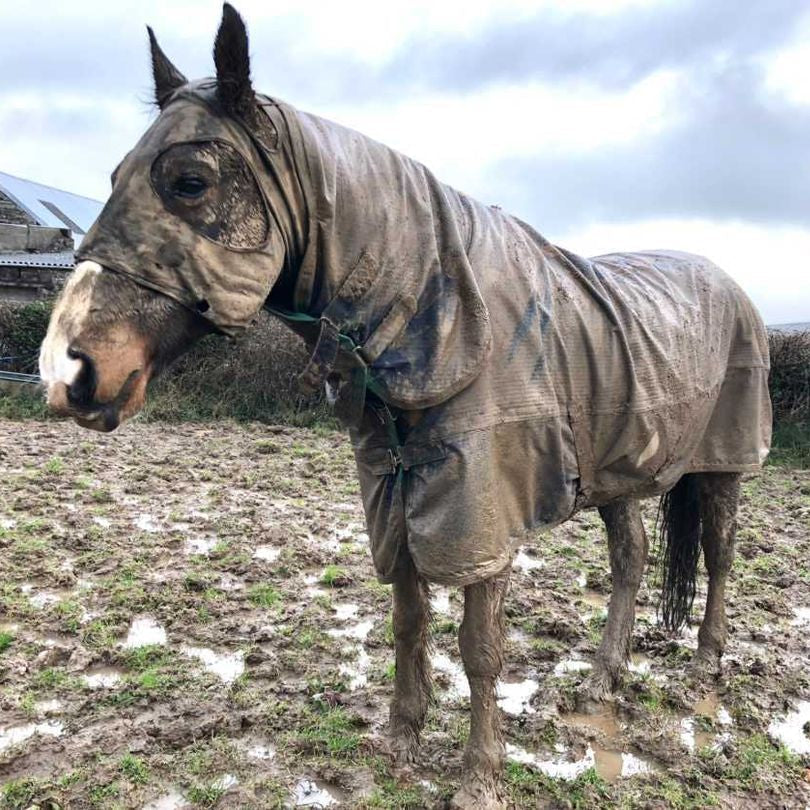
Did you know? On un-rugged animals we may see the same condition, where it is known as Rain Scald.
Ordinarily the bacteria live happily on skin without any issue. However, any break in the skin allows the bacteria to enter then dermatitis sets in. Prolonged wetting from muddy conditions in the field can weaken skin allowing entry, but so too can abrasive bedding, and any minor nicks and cuts.
Check legs daily and quickly treat any minor abrasion with wound cream and an effective barrier cream.
While it can be seen in any animal, those with thin skin and white legs are particularly prone. The condition is most frequently seen in hindlegs, though any limb may be affected.
With global warming resulting in ever wetter winters it is likely that this already common condition could become ever more widespread; so it is important that as horse owners we are all familiar with the signs.
Clinical signs of Mud Fever
- Scabs / lesions on the pastern or heels
- May exude (ooze serum)
- May be foul smelling in severe case
- Matted hair around the area
- Loss of hair, or tufts coming away
- Pain and sensitivity in the affected areas
- Lameness in advanced cases
- Swelling of pasterns
- Secondary bacterial infections
- Chronic thickening of the skin if untreated
Consult your vet where signs are evident, who will be able to advise on an immediate treatment protocol. Going forward, management is key.
To clip or not to clip?
Feathers may help protect the skin from mud but, once infection sets in, they can exacerbate the condition by keeping the area warm and wet – ideal conditions for bacterial proliferation. Feathering also makes it harder to effectively treat the area. Therefore, for prone animals it is advised to closely clip the heels, allowing easy access and air to circulate.
Dealing with those scabs
Clip, if required, then remove the scabs – but carefully. Never pick off dry, hard scabs as this leaves an open wound, at risk of bleeding and allows bacteria in. Plus, of course, it is likely to be painful for the horse and therefore potentially dangerous for you!
Wash the area with a mild shampoo, suitable for regular use, before rinsing with clean water. For persistent scabs damp a poultice with warm water and leave on for a few hours, which should soften the scabs making them easier to remove.
Once the scabs are removed and the area cleaned, ensure the legs are carefully dried using paper towelling or clean, dry towels. Avoid re-using the same towel, or sharing between horses, as this could potentially spread infection.
Internal defences – nourishing from within
While tackling what’s happening on the surface, supporting the body from the inside out will help maintain the body’s own defences. Introducing a targeted supplement ahead of peak times is advised to prime the system against attack; however even following onset it is worth targeting with applied nutrition to optimize the body’s own immune and anti-inflammatory response.
Targeted nutrition – daily maintenance
- Antioxidants to neutralize free radical toxins around the affected area
- Amino acids, such as methionine and glutamine, for soft tissue regeneration
- Zinc, as a key nutrient for skin integrity
Targeted nutrition – in the short-term
Herbal support for the body’s own anti-inflammatory response
Topical management
To prevent further issues ensure you apply an effective barrier product to clean, dry legs before turnout or exercise. Follow the manufacturer’s guidelines, and take care not to apply to broken skin.
Opinions are divided as to whether to wash legs when they come back in or not. It is thought that both wetting and chilling are key triggers, so if you do wash legs regularly ensure they are then thoroughly dried.
Turnout Tips
Maintaining plenty of turnout is great for their overall wellbeing and mental health, but muddy fields do increase the risk of Mud Fever. Follow these simple steps for helping you balance the need for turnout with pastern protection.
- Use heavy-duty rubber mats or hard-standing around gates and busy areas
- Rotate paddocks and paddock entrances, where possible, to reduce damage
- Avoid overstocking, as fewer horses reduce field mud
- Strip-grazing can encourage grazing new areas and leaving others to rest
- A surfaced ‘track-system’ can be a great option where possible
- For those that live out, bring them on to hard standing daily to clean legs and re-apply barrier cream
Managing Mud Fever or Rain Scald will require a multifactorial approach, from veterinary treatment when necessary, to targeted dietary support to your daily management regime. But with care your horse can show winter a clean pair of heels and look forward to the warmer, drier days of Spring.
Selected References
- cvsukltd.co.uk/news/cvs-equine-practices-undertake-collaborative-equine-pastern-dermatitis-study/
- Gerber V, Kaiser-Thom S, Oesch S. Equine pastern dermatitis: a narrative review on clinical presentation, diagnosis, risk factors, prevention, and therapeutic approaches. J Am Vet Med Assoc. 2023 Mar 17;261(S1):S58-S65. doi: 10.2460/javma.22.12.0569. PMID: 36917616.
Written by: Kate Hore, Head Nutritionist. RNutr (Animal), R.Anim.Technol (Cert), BSc(Hons). – Find out more about Kate and out Technical Team HERE.