
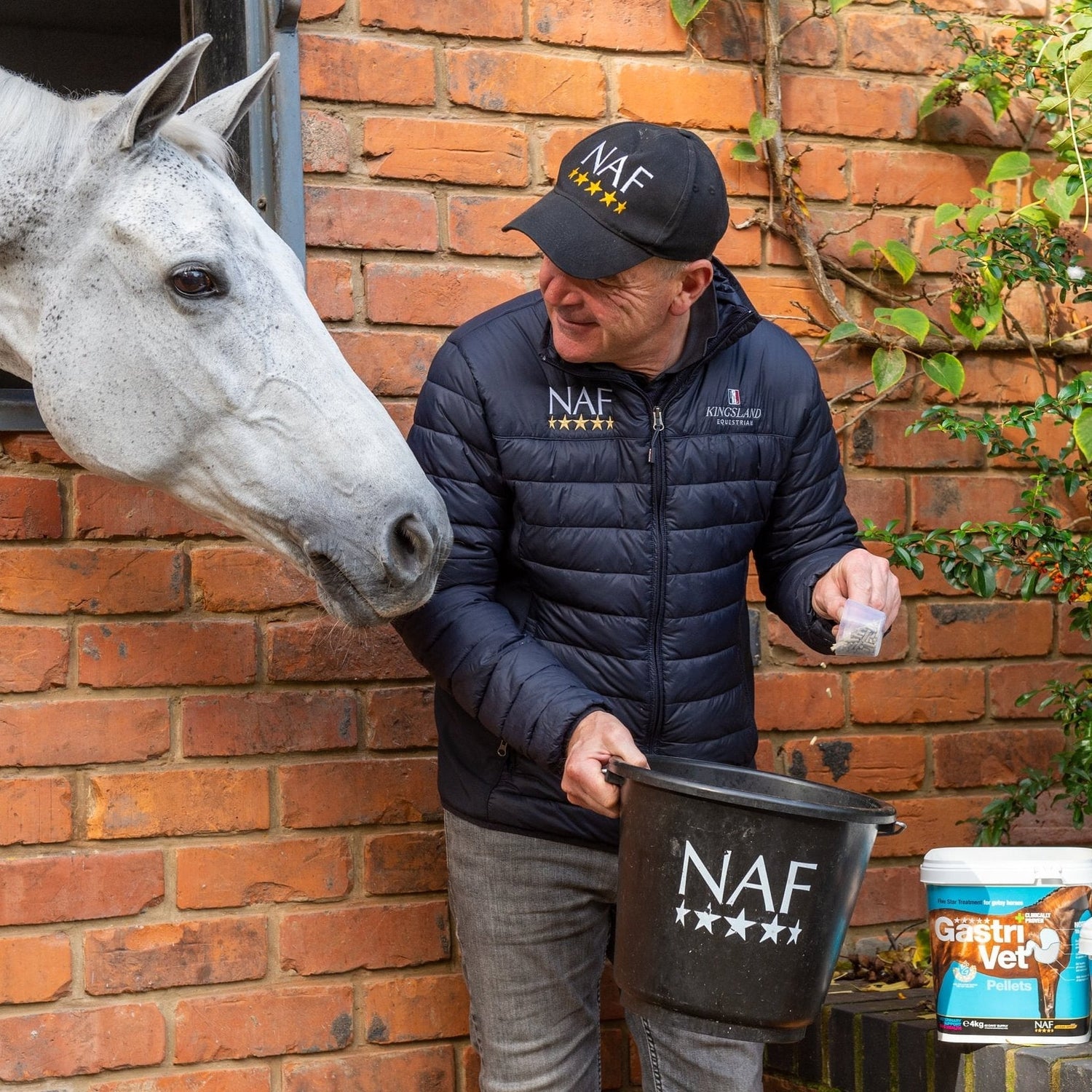
Managing Gastric Health in Stabled Horses: Supporting Digestive Comfort in Early Spring
Winter can be a challenging time for managing horses, particularly when they spend longer periods stabled. Short daylight hours, cold weather and reduced turnout often limit movement and disrupt natural feeding patterns, placing additional pressure on the horse’s digestive system.
As we move into early spring and begin preparing for increased work, fitness programmes and competition, now is the ideal time to review gastric health in stabled horses. Identifying digestive stress early and providing appropriate nutritional support can help ensure your horse is comfortable, healthy and ready for the season ahead.
Managing Gastric Health in Stabled Horses
Horses evolved as trickle grazers, designed to eat little and often for up to 16 hours a day while moving steadily. Their digestive system functions best when supported by:
- Continuous fibre intake
- Regular, low-intensity movement
- A consistent daily routine
When horses are stabled for prolonged periods over winter, these natural behaviours are often compromised, increasing the risk of gastric stress.
Common Gastric Stress Triggers in Stabled Horses
Reduced Continuous Forage Intake
The horse’s stomach is designed to never be empty. When forage is restricted or fed in set meals rather than ad lib, long gaps without fibre can occur. This may leave the stomach lining vulnerable, especially overnight.
Providing enough forage to support gut health without promoting unwanted weight gain can be a delicate balance, but it is essential for maintaining gastric comfort.
Increased Reliance on Concentrate Feeds
Stabled horses often require more bucket feeds to maintain condition through winter. Larger, infrequent meals can:
- Reduce overall eating time
- Increase starch levels in the diet
- Contribute to gastric irritation
High-starch diets are not natural for horses and are associated with an increased risk of digestive upset.
Reduced Movement While Stabled
Research consistently shows that stabled horses move significantly less than those kept at pasture. Reduced movement can slow digestive transit and negatively impact gut function.
Simple management changes, such as placing forage in multiple locations within the stable, can encourage natural movement.
Routine Disruption During Winter
Horses thrive on routine. Winter weather can force sudden changes to turnout, exercise and feeding schedules, which may affect both mental wellbeing and digestive health. The gut and brain are closely linked, and stress can quickly manifest as digestive imbalance.
Regime Changes as Spring Approaches
As daylight increases, many horses experience changes in turnout, workload and feeding. While these are positive steps, any change has the potential to disrupt digestive stability. Gradual transitions, supported by appropriate nutrition, are key.
Signs of Gastric Stress in Horses
Horses may show signs of gastric or digestive stress in a number of ways, including:
- Loss of condition
- Poor coat quality
- Girthiness or resistance when tacking up
- Behaviour changes, such as irritability or reluctance to work
- Stereotypic behaviours when stabled
- Decline in performance
If you notice any of these signs, it is important to consult your vet to establish the underlying cause. Gastric issues can be linked to discomfort elsewhere in the body, so a full assessment is often beneficial.
A pre-season check-up with trusted para-professionals can also help support overall comfort and performance.
Useful UK registers for equine professionals
- Equine Dentists
- Chartered Physiotherapists & Chiropractors
Feeding for Gastric Health in Spring
Managing the Overall Diet
During winter, diets are typically based on preserved forage such as hay or haylage. As grass growth increases in spring, it’s important to maintain some conserved forage alongside grazing to allow a smooth transition and reduce digestive disruption.
A high-fibre, low-concentrate diet helps support gastric health by minimising starch intake and promoting natural chewing behaviour.
Managing Starch Intake
High-starch diets are not natural for horses and have been associated with increased gastric stress. Where concentrate feeds are required, starch intake should be carefully controlled.
Recommended upper limits:
- Less than 1g starch per kg bodyweight per meal
(Up to 500g per meal for a 500kg horse) - Less than 2g starch per kg bodyweight per day
(Up to 1kg total per day for a 500kg horse)
These are maximum levels. Wherever possible, feeding lower starch levels and using oil or fibre-based energy sources is preferable.
Starch levels will be declared on bagged feed fed as significant parts of the diet. Remember, when feeding very concentrated feeds like feed supplements, levels of starch are not typically declared as the low feeding rate means they are not relevant in the overall diet.
Targeted Nutritional Support for Gastric Health
Targeted nutritional support can play an important role in maintaining gastric comfort, particularly for stabled horses or those undergoing changes in routine.
NAF Five Star GastriVet is designed to support gastric health at times of increased need, helping to nutritionally condition the stomach and maintain a comfortable gastric environment as horses return to work.
GastriVet provides:
- A clinically proven gastric supplement
- Prebiotics, probiotic yeast and postbiotics for total digestive tract health
- Apple pectin and lecithin to support mucosal integrity
- Natural fibres to aid digestion and contribute to the gastric mat
Feeding tips:
- Split the daily amount between feeds
- Include in a pre-exercise high-fibre meal
- Feed alongside a high-fibre, low-starch diet
- Safe to use alongside veterinary treatment to support long-term gastric care
For many horses, once an initial course is completed, ongoing support can be maintained with GastriAid, depending on individual needs.
For further advice, or to discuss the most appropriate feeding plan for your horse, please dont hesitate to contact us.


